

In the world of design, the integration of daylight has become an important component of creating environments that are both aesthetically pleasing but also usable and eco-friendly. Natural light assessment plays a crucial role in this process, allowing architects to optimize natural illumination while enhancing energy efficiency. As we work to design environments that care for both the occupants and the planet, understanding how to efficiently harness daylight has grown increasingly more important.
This article investigates into the multiple aspects of daylight analysis, providing a comprehensive guide for modern architects. From examining key concepts such as daylight metrics and spatial light autonomy to analyzing the role of daylight in gaining LEED certification, readers will gain important insights into how natural light can revolutionize design practices. Whether it's maximizing daylight in homes or analyzing light pollution in metropolitan areas, we will explore the tools and techniques that empower architects to create healthier, more sustainable environments. Join us as we uncover the benefits of daylight analysis and its considerable impact on building design and occupant health.
Understanding Natural Light Evaluation
Daylight analysis is a crucial process in architecture that examines how natural light enters and interacts with a environment throughout various times of the 24-hour cycle and year. By simulating sunlight's behavior within a building, architects can gain insights into the effectiveness of their designs in leveraging natural light. This analysis is especially important for creating spaces that are not only aesthetically pleasing but also environmentally sustainable by minimizing reliance on man-made lighting.
The approach behind daylight analysis includes various methods and tools, such as natural light factor calculations, spatial daylight autonomy, and yearly light exposure. These techniques help determine how much daylight reaches different areas within a building and how efficiently that light can be harnessed to improve the interior environment. Through this analysis, architects are enabled to make knowledgeable choices on window placements, exterior designs, and shading devices to maximize natural illumination.
Moreover, the importance of daylight analysis extends beyond aesthetics and energy efficiency. Daylight Analysis Yeovil Somerset plays a important role in promoting occupant health by enhancing visual comfort and supporting circadian rhythms. As the demand for sustainable design grows, architects increasingly integrate daylight analysis early in the conceptual design phase, ensuring that buildings are not only functional but also contribute positively to the health and productivity of their users.
Improving Architectural Layouts with Daylight
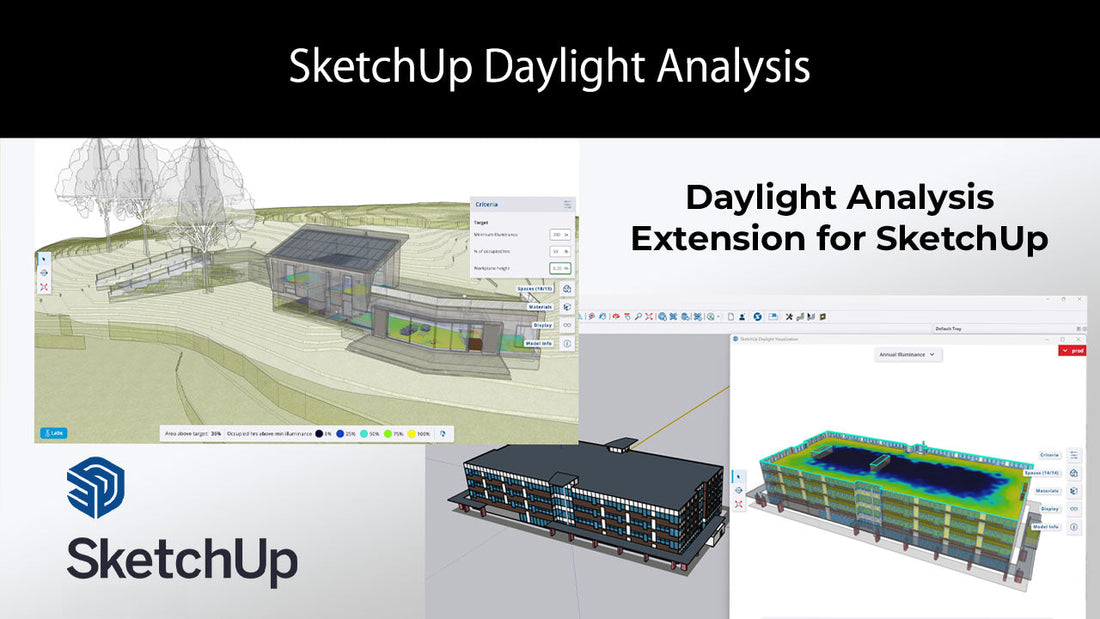
Integrating natural light assessment into the architecture process allows for a deliberate method to improving building layouts. Through using tools which replicate natural light conditions, architects can pinpoint effective strategies to incorporate daylight into their plans. Such practices enables them to fully utilize the use of sunlight while reducing use of artificial lighting, which can considerably lower energy costs and enhance occupant comfort.
The effectiveness of daylight analysis applies past energy efficiency. This analysis plays a key role in making sure that spaces are pleasant for occupants. By evaluating factors such as glare control and sufficient illumination, architects can create environments that promote well-being and productivity. Furthermore, integrating such strategies helps connect projects to sustainability goals and standards like LEED and BREEAM, which highlight the importance of natural light in modern design.
Furthermore, grasping the impact of building orientation and glazing choice is crucial in daylight optimization. Daylight analysis provides important insights that help architects make informed decisions concerning window placements, shading devices, and facade materials, leading to improved daylight access inside the building. Thus, designs that strategically leverage daylight can improve the overall look and functionality, leading to richer and more appealing spaces for occupants.
Instruments and Methods for Efficient Daylight Analysis
Optimal daylight analysis relies on a range of resources and strategies designed to enhance design design through daylight. Advanced programs like Radiance Program, ClimateStudio, and Insight Program allow architects to replicate natural light circumstances and evaluate their impact on interior spaces. These applications allow the evaluation of elements such as natural light factor, spatial light autonomy, and total sunlight exposure, offering critical understanding into how natural light works with diverse building features. By utilizing these software innovations, designers can formulate informed decisions that optimize both visual design and sustainability.
In conjunction to digital applications, various strategies can improve the effectiveness of daylight evaluation. Daylight Analysis Nailsea Somerset is a common such approach that evaluates daylight effectiveness based on weather patterns rather than basic worst-case situations. This approach guarantees to confirm that designs not only perform well in ideal conditions but can also adapt to real-world variations throughout the calendar year. Moreover, considerations like building exterior orientation and glass selection are essential techniques in daylight evaluation, influencing how light enters and diffuses within a area while reducing light glare.
Finally, integrating natural light evaluation early in the design phase is crucial for achieving optimal results. By involving natural light modeling in the first stages of a design, architects can explore different design options, including the ratio of windows to walls and shade techniques, to enhance natural illumination and well-being. This proactive method not only adds to better indoor settings but also aligns with sustainability goals and LEED standards, eventually leading to developments that better serve their occupants and the world.