

Picking the right flooring specialist is some of the the critical decisions for any commercial or residential project. The caliber of your floor not just influences the aesthetic appeal of your space and also determines its durability and sustained significance. If you are remodeling an workspace, creating a new retail store, or enhancing your house, the right builder will guarantee that every detail is taken into account, from underfloor preparation to the ultimate touch.
Given an overabundance of professionals available, it can be challenging to decide which one aligns with your vision and requirements. To equip you with the insight needed for a successful selection process, we will discuss key questions to pose to potential builders, strategies for assessing their portfolios, and insights into the latest developments and innovations in flooring. Ranging from grasping the nuances of flooring material choice to the necessity of exact craftsmanship in flooring installation, this manual will help you navigate the intricacies of selecting a floor expert who offers superior results.
Important Questions for Hiring a Flooring Professional
Choosing the appropriate floor contractor is essential for the effectiveness of your project. Start by inquiring about their experience in the specific kind of flooring you require to be installed. Ask how long they have been in operation and if they have finished jobs similar to yours in scale and complexity. A professional with a proven history in commercial flooring projects may have the expertise and capabilities essential to navigate potential challenges.
Another key inquiry is about their licensing and insurance coverage. Confirm that the contractor possesses the necessary certifications required for your area and that they carry liability coverage and workers' compensation. This safeguards you from any financial liability in event of accidents or damage during the setup process, giving you assurance as the project moves forward.
Lastly, ask for references and check their portfolio. It's crucial to see samples of their past projects, particularly assignments that reflect their capability to attain structural integrity and aesthetic quality. Speaking with Topographic Surveys Teddington can also provide important perspectives into the professional's dependability, work standards, and capability to meet deadlines and budgets. This will help you formulate an educated choice on the right professional for your flooring needs.
Key Factors in Selecting Flooring Materials
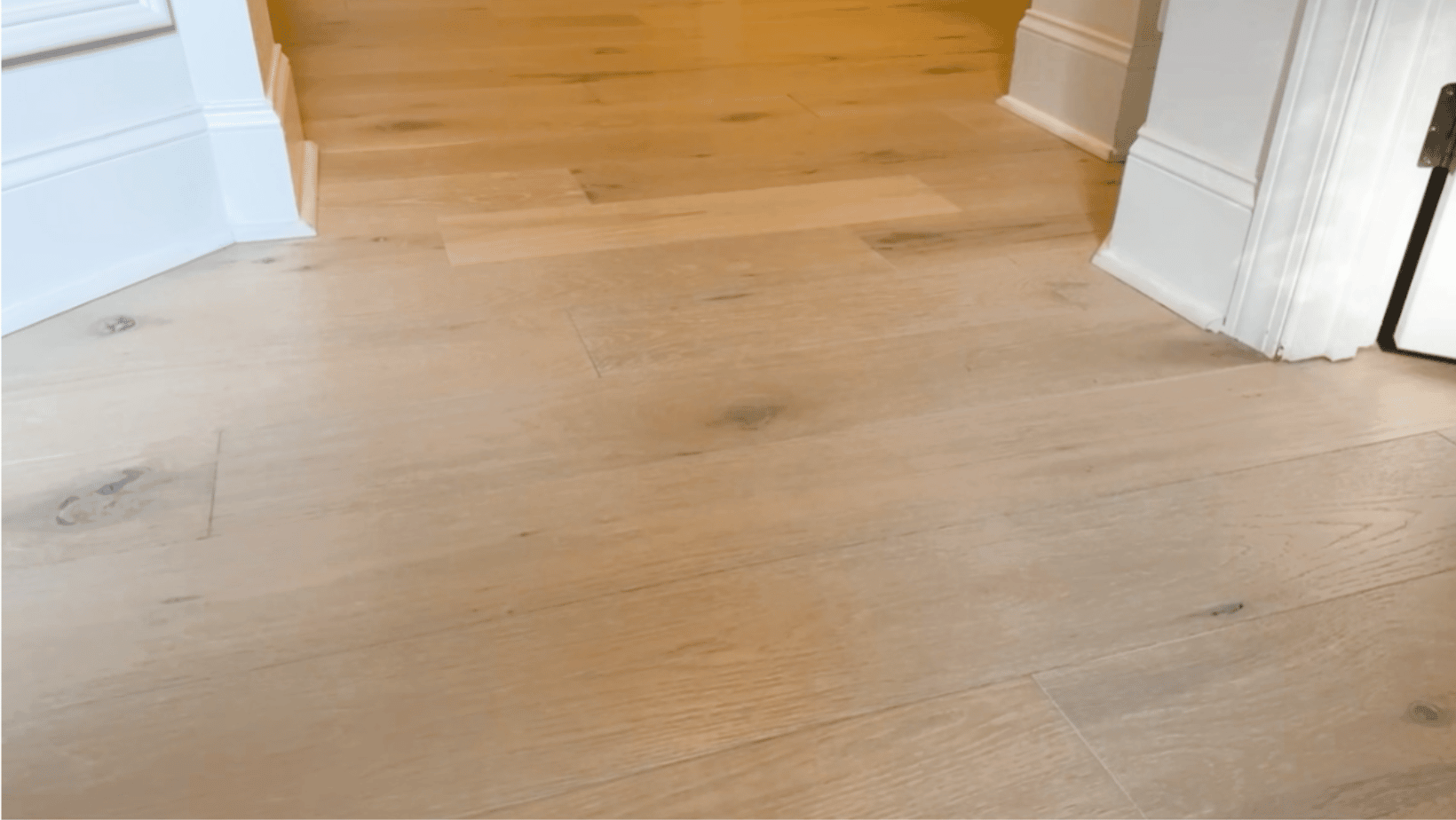
Selecting the suitable flooring materials is vital for securing both the functionality and visual appeal of any space. The first factor to consider is the intended use of the area. High-traffic environments, such as commercial spaces, demand materials that can withstand wear and tear, while residential spaces may focus on comfort and warmth. Comprehending foot traffic levels, moisture exposure, and existing subfloor conditions can greatly influence material selection, securing longevity and performance.
A further essential aspect to evaluate is the compatibility of the flooring material with the overall design vision. This includes considering color schemes, textures, and the architectural style of the space. Topographic Surveys Coombe -end flooring contractors often merge craftsmanship with advanced technology to achieve flawless finishes. Materials must blend with other design elements to create harmonious and inviting environments. The aesthetic appeal and how well the material fits into the broader design narrative are just as significant as its durability.
In conclusion, sustainability is becoming a major concern in flooring material selection. More contractors are opting for eco-friendly options that are approved and sourced responsibly. Selecting sustainable materials not only enhances the environmental performance of a project but can also improve indoor air quality and overall health standards. By balancing durability, aesthetics, and sustainability, clients can make informed choices that support both their immediate needs and long-term goals.
Effective Strategies for Effective Flooring Installations
Efficient flooring projects hinge on thorough preparation and effective communication among all stakeholders involved. Before the onset of an installation, flooring contractors should conduct a comprehensive assessment of the site's conditions, including moisture levels and subfloor integrity. Utilizing state-of-the-art moisture testing systems can preemptively address likely issues that could compromise the flooring. Furthermore, working together with architects and contractors ensures that everyone are on the same page on the project scope and design intent, minimizing miscommunication that could lead to significant errors.
Another important practice is to draft a detailed scope of work that clearly outlines all components of the installation process, from material selection to schedule expectations. This document serves as a guiding guide and helps manage client expectations. Custom flooring projects, in particular, benefit from a clearly outlined scope that includes specifications for tailored materials and specific installation techniques, ensuring that the contractor and client are on the same page regarding objectives and quality standards.
Ultimately, maintaining an clear line of communication during the installation process is essential. Frequent updates and check-ins between the contractor and client help to address problems as they arise, reducing the likelihood of setbacks and budget overruns. Implementing a proactive approach to coordination with other trades, such as electrical and mechanical systems, can further streamline the process. By adhering to these effective approaches, flooring contractors can ensure excellent installations while building confidence and contentment with their clients.