

Regarding flooring, the difference between a average installation and a spectacular finish often comes down to the contractor you select. Quality flooring is not just about the materials; it involves meticulous planning, skilled execution, and a profound understanding of the unique requirements of each space. Selecting the right flooring contractor is crucial for ensuring that your project is completed punctually, cost-effectively, and to the highest standards of craftsmanship. This choice carries significant implications, especially in commercial environments where visual appeal and structural integrity are paramount.
In this piece, we will explore the critical role that flooring contractors play in the effectiveness of your flooring project. We'll answer fundamental questions that can guide your decision-making process and provide insights into best practices in the industry. From the importance of subfloor preparation to the value of material selection, comprehending how your flooring contractor operates will empower you to make knowledgeable choices that enhance both the beauty and durability of your floors.
Essential Questions for Selecting a Flooring Contractor
Selecting the appropriate flooring contractor is vital for the effectiveness of your project. Begin by asking about their expertise and reputation. How long have they been in operation? What types of projects have they completed? A contractor with a solid history and a portfolio of successful installations can provide you assurance in their abilities. Look for reviews and testimonials from previous clients to gauge their reliability and quality of work.
One more important factor to consider is the contractor's approach to subfloor preparation. Are they acquainted with dealing with moisture and leveling issues? Properly prepared subfloors are crucial for the longevity of your flooring, and a knowledgeable contractor should have a comprehensive plan for this step. Inquire if they adhere to industry standards and what testing methods they employ to ensure optimal conditions before putting in the flooring.
Finally, talk about their process for managing timelines and collaborating with other trades. How are they able to prevent delays, especially when it comes to commercial projects? Understanding their methods for working together with architects and other subcontractors will help you anticipate potential hurdles. This will also inform you about their commitment to maintaining your project schedule and ensuring a seamless installation experience.
Key Factors in Successful Flooring Projects
Effective flooring undertakings rely on efficient collaboration among everyone involved, notably contractors and designers. Creating Topographic Surveys Whetstone defined communication channel ensures that design vision is fulfilled from conception to execution. Working together intimately allows for prompt modifications to blueprints, which leads to seamless integration of the flooring into the entire design. Moreover, setting shared goals and clarifying the roles of each responsibilities can considerably boost the project flow and outcome of the project.
A further key element is the careful selection of flooring materials. Quality contractors are proficient at reconciling strength and aesthetics, choosing materials which both fit the design concept but also endure daily wear. This choices process often requires a comprehensive grasp of the setting in which the flooring materials will be put down. For example, busy areas could demand more durable, more resilient choices, whereas home environments could allow for increased design adaptability. Proper material selection can reduce long-term maintenance issues and preserve the look of the installed flooring.
Lastly, meticulous preparation and following to recommended practices in installation play crucial roles. This includes making sure the subfloor is properly set up to prevent moisture issues and other complications. Skilled installers understand how to address any concerns regarding structural and aesthetic integrity, which could otherwise result in costly repairs and setbacks. By adhering to best industry practices and utilizing modern approaches, including state-of-the-art moisture testing and precise engineering, installers can guarantee the durability and performance of the flooring installations they deliver.
Techniques for Quality Control and Assessment
Ensuring quality in flooring installation starts with a detailed evaluation of the contractor's previous work. Potential clients should invest time in reviewing a flooring contractor's portfolio, paying attention to both structural integrity and aesthetic appeal. Look for completed projects that align with your design vision and functional requirements. Additionally, understanding Topographic Surveys Coombe ’s technique in addressing common challenges, such as moisture management and surface leveling, can offer insight into their competency and craftsmanship.
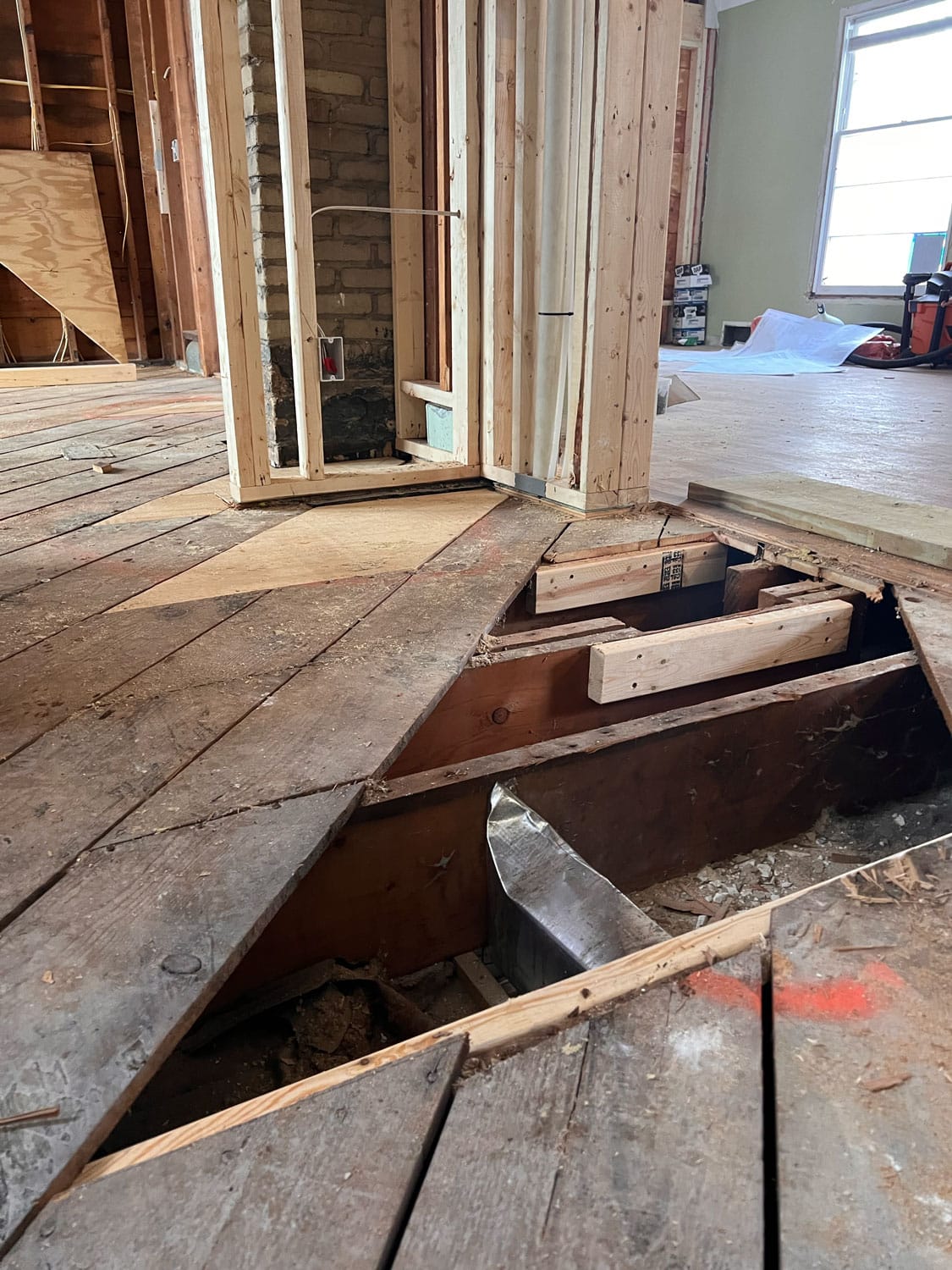
Clear communication and collaboration between architects and flooring subcontractors is essential for ensuring quality throughout the project. Creating a blueprint for flawless cooperation assists in streamline processes, minimizing the likelihood of miscommunication and costly errors. Regular updates and open channels of communication allow for real-time adjustments, ensuring that the floor installation conforms to design specifications and adheres to safety standards, ultimately elevating the overall quality of the project.
Finally, applying a quality control checklist can significantly enhance the evaluation process once the installation is complete. This includes inspecting materials before installation, monitoring workmanship as the project progresses, and conducting a final inspection to ensure everything follows the agreed-upon specifications. Key aspects such as proper seam alignment, material durability, and adherence to acoustic standards should be thoroughly checked. This comprehensive approach reflects a commitment to excellence, ensuring that the contractor has delivered a flooring solution that will last long.